
Explore containers
Master container technologies like Docker and Kubernetes. Explore top-rated courses covering containerization, orchestration, microservices architecture, and cloud-native DevOps pipelines to build and scale modern distributed systems.
8
Courses
5
Learners
What Are Containers?
Containers are lightweight, standalone executable packages that include everything needed to run a piece of software: application code, runtime engines, system tools, system libraries, and default configurations. Unlike traditional virtual machines (VMs) that virtualize the underlying hardware and run separate guest operating systems, containers share the host machine's OS kernel. This architectural difference makes containers significantly faster to start, less resource-intensive, and highly portable across diverse computing environments.
By encapsulating an application and its runtime dependencies into a single deployable unit, containerization eliminates the classic "it works on my machine" problem. Whether running on a developer's laptop, an on-premises enterprise data center, or a public cloud provider like AWS or Google Cloud, a containerized application behaves identically across all stages of the software development lifecycle.
Why Learn Containers?
Containerization has become the bedrock of modern cloud computing and DevOps engineering. As software architecture shifts from monolithic codebases to distributed microservices, container technology enables teams to deploy services independently, scale components dynamically, and optimize infrastructure costs.
Proficiency in container runtimes and orchestration platforms—primarily Docker and Kubernetes—unlocks significant career opportunities across software development, cloud architecture, and site reliability engineering (SRE). Understanding how to build images, configure networking, manage persistent storage, and automate deployments within continuous integration and continuous deployment (CI/CD) pipelines makes engineers indispensable in modern engineering organizations.
Key Concepts in Containerization
- Container Images and Dockerfiles: A container image is an immutable, layered blueprint defining the application filesystem. Dockerfiles provide the declarative instructions used to build these reproducible images.
- Container Runtimes: Low-level and high-level software components (such as containerd and CRI-O) responsible for running containers and managing their lifecycle on host systems.
- Namespaces and Control Groups (cgroups): The underlying Linux kernel features that isolate container processes, control resource usage (CPU, memory, I/O), and guarantee multi-tenant security.
- Container Orchestration: Frameworks like Kubernetes that automate scheduling, self-healing, automated rollouts, service discovery, and horizontal autoscaling across clusters of machines.
- Storage Volumes and Networking: Mechanisms for persisting stateful data outside transient container lifecycles and facilitating secure communication between interconnected microservices.
Who is This For?
Learning containerization is essential for multiple tech disciplines:
- Software Engineers seeking consistent development environments and seamless deployments.
- DevOps and Cloud Engineers building resilient CI/CD pipelines and production-grade Kubernetes platforms.
- Systems Architects designing scalable distributed systems, event-driven architectures, and cloud-native solutions.
- Beginners and Students wanting to understand core infrastructure principles underpinning modern application deployment.
Sub-Category Overview
- 8 Courses available
- 5 Active learners
Featured Courses
Top picks hand-selected by our team for containers.
All containers Courses
Browse all courses in containers.
AWS Cloud DevOps Masters: Zero to Hero Production-Ready Architecture
Master AWS cloud engineering and DevOps practices. Learn to design, deploy, and automate secure, scalable, and cost-optimized infrastructures using VPC, EC2, IAM, EKS, CI/CD pipelines, and Infrastructure as Code.
System Design & Containerization Masterclass: Building Scalable Distributed Systems
Master the fundamentals of scalable system design and containerization. Learn to design high-availability distributed systems, manage SQL/NoSQL databases, implement caching, and orchestrate services using Docker and Docker Compose to handle millions of users efficiently.
Mastering AWS Cloud Foundations: CLF-C02 Certification Prep
Master core AWS services, cloud security, architecture, and billing models to ace the AWS Certified Cloud Practitioner (CLF-C02) exam. This comprehensive, structured guide provides foundational cloud knowledge, practical service overviews, and key exam preparation strategies for success.
The Complete Software Engineer's Career Guide: From Foundations to AI Agents
Accelerate your software engineering career by mastering computer science foundations, design patterns, testing, and DevOps with Docker. Then, leap into the future of software development by building stateful, multi-agent AI systems using LangGraph, Python, and LangChain.
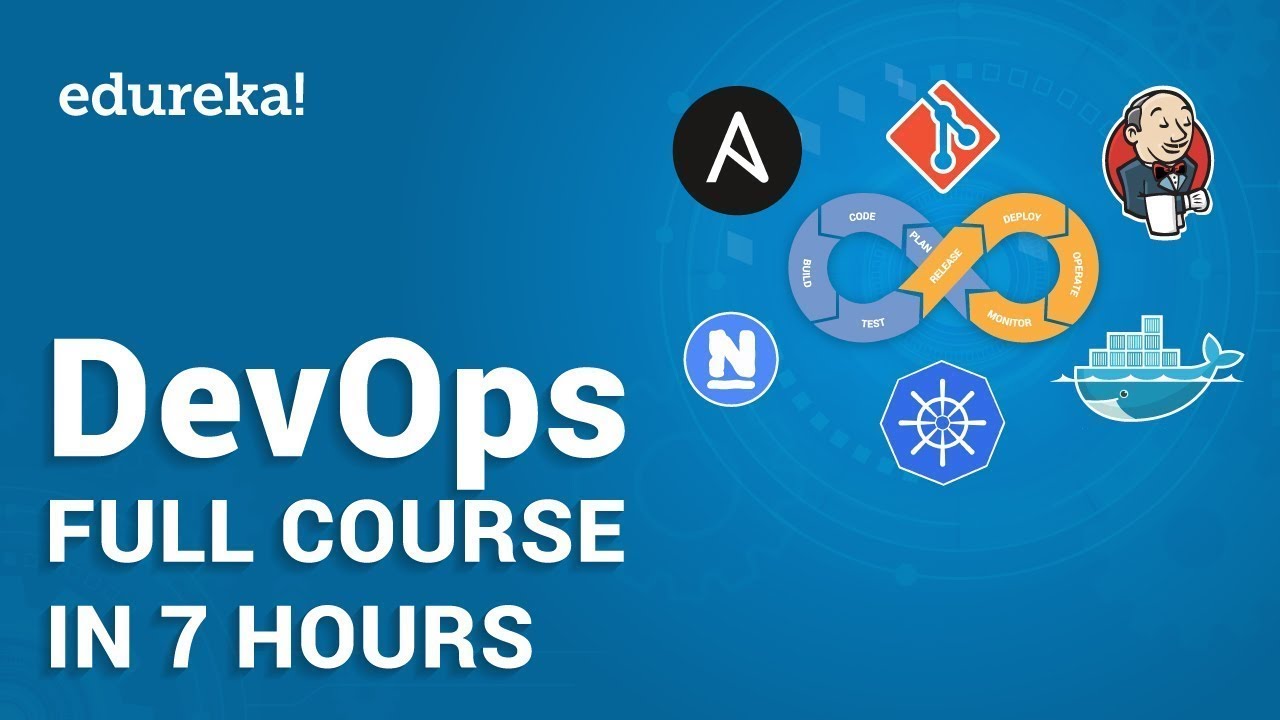
DevOps and Infrastructure Automation Bootcamp: From CI/CD to AI-Driven Workflows
Master the complete DevOps lifecycle using Git, Jenkins, Docker, Kubernetes, Ansible, Puppet, and Nagios. Learn to build automated CI/CD pipelines, manage containerized environments, and explore next-generation AI automation with LangGraph state graphs.
Mastering Jenkins: The Complete Beginner's Guide to CI/CD Automation
Master Jenkins from scratch to automate your software development lifecycle. This beginner-friendly course guides you through continuous integration (CI) and continuous delivery (CD), teaching you how to build, test, and deploy applications using Java, Git, and automation pipelines.
Kubernetes from Ground Up: Deploying, Scaling, and Managing Production-Ready Applications
Master Kubernetes from foundations to advanced Day-2 operations. Learn to deploy applications, manage cluster resources, use Helm and Kustomize, implement GitOps with Kluctl, and monitor production environments.

Docker Foundations: Containerizing Modern Web Applications
Master Docker essentials in this hands-on course. Learn to containerize applications, manage images and registries, and understand port binding. Perfect for developers looking to streamline deployment pipelines for modern SaaS stacks, including Next.js and serverless architectures.
Popular Channels
Discover the best YouTube creators in this space.


Learn from the Best
Top educators from YouTube, all in one place.

Caleb Curry
@codebreakthroughProgramming Made Fun and Simple Business inquiries: calebcurry@kernelmanagement.com High quality tutorials that are fun, educational, and easy to follow. Teaching programming is my passion! I find joy in making complex material easy to understand. As an Amazon Associate I earn from qualifying purchases.

Coder Army
@coderarmy9Hi Coder, We are on a mission to create Best Coder in our Country and for that we are putting best content for Students. I am Rohit Negi who graduated from IIT Guwahati and got Highest Placement in India in 2021. I got AIR 202 in GATE CSE in 2020. Brand Collaboration: rohitnegi.business9@gmail.com

freeCodeCamp.org
@freecodecampLearn math, programming, and computer science for free. A 501(c)(3) tax-exempt charity. We also run a free learning interactive platform at freecodecamp.org
Didn't find what you were looking for?
Explore other sub-categories or browse all courses to find exactly what you're looking for.