
DevOps and Infrastructure Automation Bootcamp: From CI/CD to AI-Driven Workflows
Master the complete DevOps lifecycle using Git, Jenkins, Docker, Kubernetes, Ansible, Puppet, and Nagios. Learn to build automated CI/CD pipelines, manage containerized environments, and explore next-generation AI automation with LangGraph state graphs.
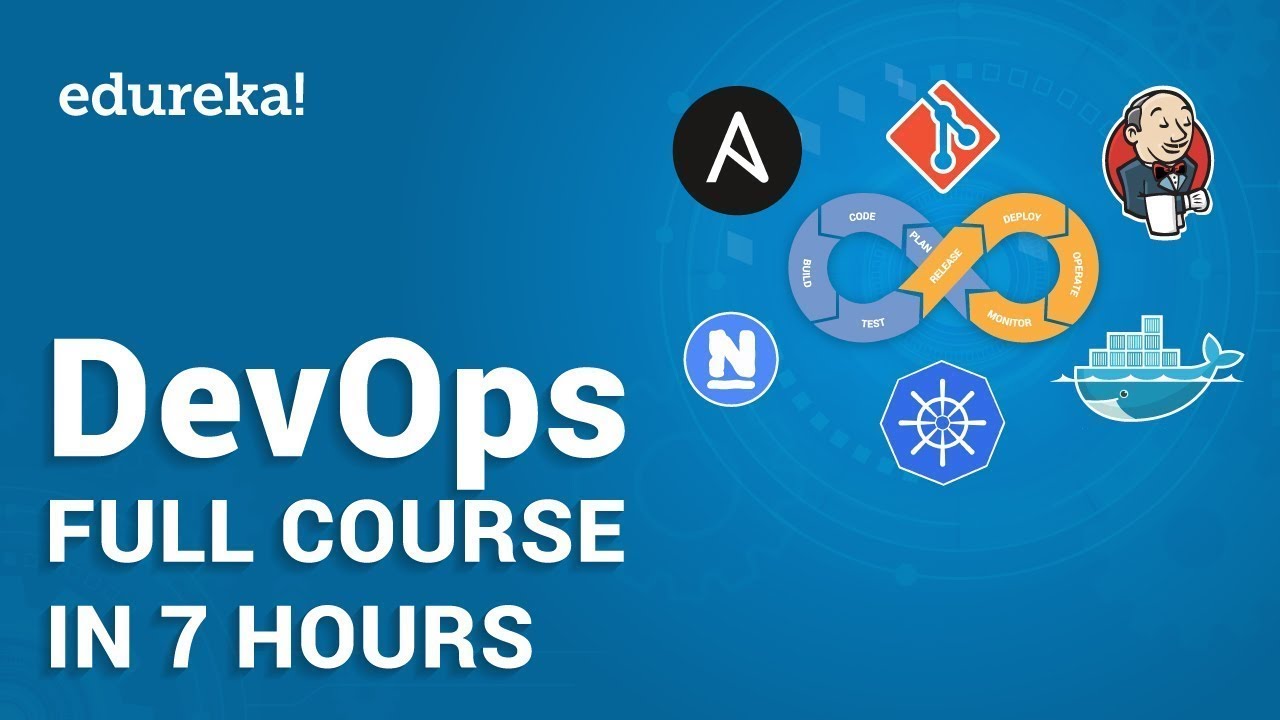
Course Overview
Master the entire DevOps lifecycle from source control to continuous monitoring. This comprehensive bootcamp is designed to bridge the gap between software development and operations, enabling you to deliver software faster, more reliably, and with fewer errors. You will gain hands-on experience with industry-standard DevOps tools and explore cutting-edge automated workflows.
What You'll Learn
- DevOps Lifecycle: Understand the phases from continuous development to continuous monitoring.
- Version Control: Manage source code and collaborate effectively using Git and GitHub.
- Continuous Integration: Automate builds and test suites using Jenkins pipelines.
- Containerization & Orchestration: Package applications with Docker and scale them with Kubernetes.
- Configuration Management: Automate infrastructure provisioning with Ansible and Puppet.
- System Monitoring: Ensure high availability and performance with Nagios.
- AI-Driven DevOps Automation: Learn how to build state-managed AI agents using LangGraph to automate complex, cyclical operations tasks.
Target Audience
- Software developers, system administrators, QA engineers, and IT professionals looking to transition into a DevOps role.
- Python developers, AI engineers, and LLM practitioners interested in building stateful AI automation agents.
Prerequisites
- Basic familiarity with Linux command-line operations and fundamental software development concepts.
- For the AI-automation section: Intermediate Python, basic understanding of LLMs, and familiarity with LangChain concepts.
Tools & Technologies
- Version Control: Git, GitHub
- CI/CD: Jenkins
- Containers & Orchestration: Docker, Kubernetes
- Configuration Management: Ansible, Puppet
- Monitoring: Nagios
- AI Automation: Python, LangGraph, LangChain, OpenAI API, Tavily API
Course Content
Introduction to DevOps and Software Development Lifecycles
Evolution of Software Development: From Waterfall to Agile
Introduction to DevOps and the Continuous Lifecycle Stages
Source Code Management with Git and GitHub
Introduction to Version Control Systems and Git
Git Fundamentals and Local Operations
Advanced Git: Branching, Merging, and Rebasing
Continuous Integration and Build Automation with Jenkins
Understanding Continuous Integration and the Pre-CI Era
Mastering Jenkins: Plugins, Architecture, and Distributed Builds
Containerization and Orchestration with Docker and Kubernetes
Introduction to Containerization and Docker
Container Orchestration with Kubernetes
Configuration Management with Ansible and Puppet
Automating Infrastructure with Ansible Playbooks
State Enforcement with Puppet Manifests
Continuous Monitoring and Operations with Nagios
Understanding Continuous Monitoring and Nagios Fundamentals
Nagios Architecture and Monitoring Remote Linux Hosts
This course includes
- 6h 3m on-demand video
- 13 lessons across 6 chapters
- 6 interactive quizzes
- Access on mobile and desktop
- Source playlist on YouTube
Share
Related Courses

Mastering Data Structures and Algorithms in Java: From Big O to Interview Success
Master essential data structures and algorithms in Java to ace technical coding interviews. Learn Big O complexity, dynamic programming, trees, graphs, and algorithmic patterns through comprehensive problem-solving techniques.

Enterprise Java Backend with Spring Framework & Spring Boot: From First Principles to Production
Master enterprise Java backend engineering with Spring Framework and Spring Boot. Learn IoC, dependency injection, Spring MVC, Hibernate, JPA transactions, JWT authentication, OAuth 2.0, and automated testing from first principles to build production-grade web applications.

Mastering AI-Driven Development with OpenAI Codex: From Setup to Autonomous Agents
Master OpenAI Codex to build, manage, and deploy applications using autonomous AI agents. Learn to set up workspaces, leverage git worktrees, configure Agents.md, and build three complete applications step-by-step from scratch.